
Last updated: August 2026
It’s Friday afternoon, the kids are already asking what you’re doing this weekend, and the honest answer is that the budget is tight. Finding free things to do with your family sounds like it should be easy, but most lists online read like they were written by someone who’s never had to say no to a $60 afternoon. This guide is organized by what your weekend actually looks like — the weather, everyone’s energy level, and how much patience you have left. If you’ve been working on trimming household costs, our guide to things you’re overpaying for without realizing it pairs well with this one.
Quick answer: The best free things to do with your family this weekend include visiting a local park or nature trail, checking your library’s event calendar, attending a free museum admission day, having a backyard camp-out, or exploring a farmers market. Most towns run free community events every weekend — you just have to know where to look.
The ideas below are organized by weather, energy level, and how much planning time you have — so you can skip straight to whatever fits your actual weekend instead of scrolling through a list of things that won’t work today.
| Situation | Try This | Prep Needed |
|---|---|---|
| Everyone has energy | Nature trail or scavenger hunt | Water bottles, 10 minutes |
| Raining all weekend | Library event or indoor fort build | Almost none |
| Nobody wants to move | Movie marathon or baking project | What’s already in the pantry |
| Need to get out of the house | Free museum day or farmers market | Check hours first |
Key Takeaways
- Free activity lists are organized by what your weekend actually looks like — high-energy outdoor, low-key indoor, or worth planning ahead for.
- Outdoor picks: a local trail, a neighborhood scavenger hunt, the farmers market, or exploring a new neighborhood on foot or bike.
- Indoor picks: see what your library is actually offering, build a real fort, cook with what’s already in the pantry, or run a family tournament.
- Some free options (like a museum’s free admission day) are only free if you plan around the specific day — check that before you go.
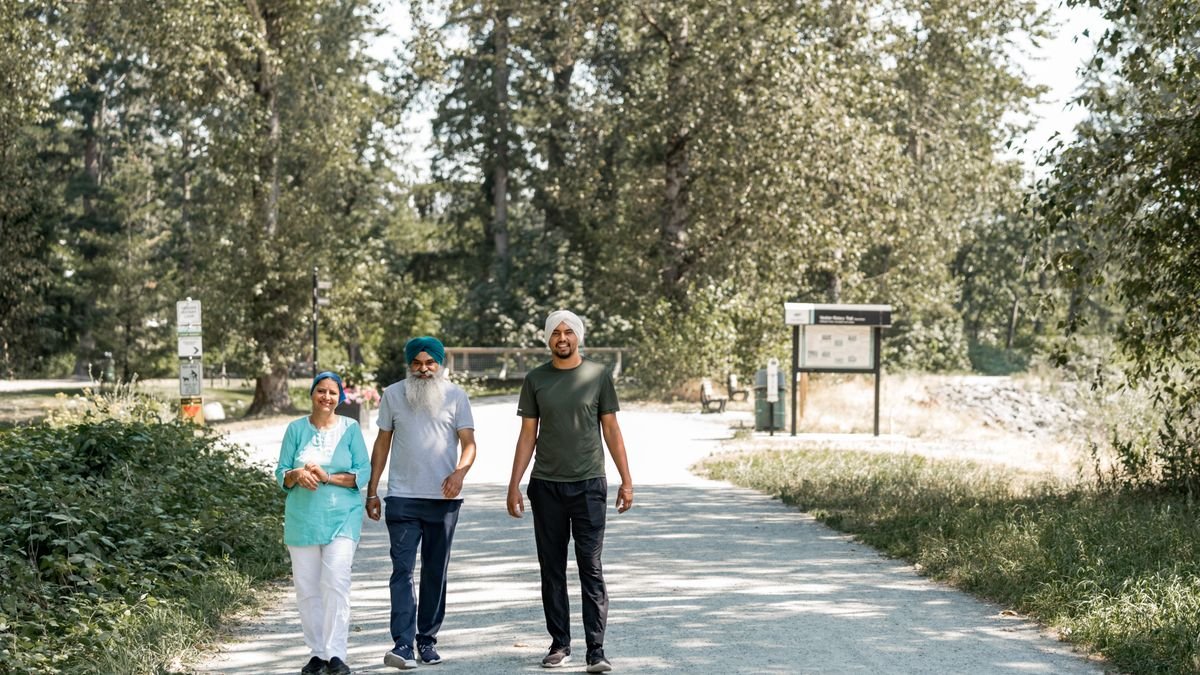
Free Things to Do With Your Family Outdoors When Everyone Has Energy
These work best when the weather cooperates and nobody’s already worn out. They also tend to be the outings kids remember longest, which is a nice bonus when the whole point is that they cost nothing.
1. Walk a local trail or nature preserve.
Most towns have more walkable green space than people realize — county parks, nature preserves, greenways, and rail trails are almost always free. Search your county’s parks department website rather than just Google Maps, since smaller preserves often don’t show up prominently.
Younger kids do better with a purpose than a plain walk. Give them something to look for — three different leaf shapes, something red, a bird making noise — and a 20-minute walk stretches into an hour without complaints.
2. Build a neighborhood scavenger hunt.
Write a list of ten things to find within walking distance: a blue front door, a cat in a window, a license plate from another state, the tallest tree on the block. It costs a piece of paper and works in any neighborhood, urban or rural.
This one scales well across ages. Toddlers hunt for colors, older kids can race in teams, and teenagers will grudgingly participate if you make it competitive enough.
3. Visit a farmers market.
Farmers markets are free to walk through, usually have live music or activities, and give kids a completely different experience than a grocery store. Go with a firm plan about whether you’re buying anything — this is one of the easier free outings to accidentally spend $30 at.
Many markets run weekly from late spring through fall, and some cities have indoor winter markets. Check your city’s website for the current schedule.
4. Take a bike ride or explore a new neighborhood on foot.
Pick a part of town you never drive through and walk it. Historic districts, university campuses, waterfronts, and downtown areas on a quiet Sunday morning all feel like somewhere else without the cost of going anywhere.
Free Things to Do With Kids Indoors
Rain, heat, cold, or sheer exhaustion — these are the no-spend weekend ideas that work when leaving the house isn’t happening.
5. Check what your library is actually offering.
Public libraries have quietly become one of the best free resources for families, and most people only use them for books. Depending on your branch, you may find story times, craft sessions, LEGO clubs, teen gaming afternoons, seed libraries, and free passes to local museums and state parks.
Many library systems also lend out things that aren’t books at all — board games, musical instruments, tools, telescopes, and bakeware. Look up your library’s event calendar online rather than assuming you know what they have.
6. Build a fort and mean it.
Couch cushions, dining chairs, every blanket in the house. The difference between a fort that entertains kids for ten minutes and one that occupies an entire afternoon is usually whether the adults commit — string lights, snacks brought inside, a movie watched from within it.
7. Cook or bake something using only what’s already in the pantry.
Make it a challenge rather than a chore. Pick a category — cookies, pancakes, soup — and build it from what’s on hand without a store run. Kids who won’t help with dinner will often happily help when it’s framed as a competition or an experiment.
This has the side benefit of using up ingredients that were heading toward the trash, which is its own small savings.
8. Run a family tournament.
Board games, card games, video games, or invented games — a bracket turns a single game into an afternoon. Write the bracket on paper, tape it to the fridge, and let it run across the whole weekend.
If your game shelf is thin, thrift stores are full of board games for a couple of dollars. Our guide on what to buy used and what to skip covers how to check that all the pieces are there before you buy.
Free Weekend Activities Worth Planning Ahead For
9. Go on a free museum admission day.
A lot of museums that normally charge admission have free days — often the first Sunday of the month, a specific weekday evening, or free admission for kids under a certain age. Some libraries lend free museum passes to cardholders, and families with a SNAP/EBT card can get admission for free to $5 per person at more than 1,600 museums through the Museums for All program.
These days are popular and can be crowded, so arriving at opening makes a real difference.
10. Use a National Park free entrance day.
The National Park Service waives entrance fees on several days each year — for 2026 the list includes Presidents Day, Memorial Day, Independence Day weekend, the agency’s own birthday in late August, Constitution Day, Theodore Roosevelt’s birthday on October 27, and Veterans Day. Two things changed in 2026: the free days now apply to U.S. citizens and residents only, and only the entrance fee is waived, so timed-entry, reservation, and camping fees still apply. The dates change from year to year, so check the current list before you plan a trip around one. Many parks are free year-round regardless.
Fourth-grade families should also know about the Every Kid Outdoors program, which gives every US fourth grader and their family a free annual pass to federal lands.
11. Catch a free community event.
Outdoor concerts, movies in the park, festivals, parades, fireworks, holiday tree lightings, high school sports and school plays — most towns run something free nearly every weekend, and most families never hear about it. The next section covers how to find these.
12. Volunteer together.
Park cleanups, food bank sorting, animal shelter help, community garden days. It fills a weekend, costs nothing, and gives older kids something more substantial than another afternoon at home. Check your city’s website or a site like VolunteerMatch for family-friendly opportunities.
How to Find Free Family Events in Your Own Town
This is the part most lists skip, and it matters more than any single idea above. Free events are happening near you constantly — the problem is that they’re scattered across a dozen places that don’t talk to each other. Here’s where to actually look:
- Your library’s event calendar — Almost every branch posts a monthly calendar online. This is the single highest-value bookmark for free family programming.
- Parks and Recreation department — Your city or county Parks and Rec site lists free classes, camps, movie nights, and seasonal events. Many run programs that never get advertised anywhere else.
- Community Facebook groups — Search your town’s name plus “events,” “moms,” or “community.” These groups surface small local happenings that never make an official calendar.
- City or tourism event calendar — Your town’s official website and any local visitor bureau usually maintain a public events calendar. Filter for free where possible.
- Farmers market schedules — Markets often host live music, kids’ activities, and seasonal festivals beyond the produce.
- Museum free-day pages — Look up each local museum’s admission page directly and note their free days on your calendar for the year.
- National Park Service fee-free days — Published annually. Worth adding to your calendar in January for the whole year.
Spend 20 minutes once bookmarking these for your area, and you’ll stop having the Friday night “what are we even going to do” conversation.
Why “Free” Days Out Often Aren’t Free
Here’s the part that matters if the goal is actually saving money. A free outing can quietly turn into a $50 afternoon through a series of small, reasonable-feeling decisions. Knowing where the leaks are makes them easy to plug.
| Hidden Cost | Typical Cost | How to Avoid It |
|---|---|---|
| Snacks and drinks | $15–$30 | Pack a bag before you leave — this is the single biggest one |
| Parking | $5–$25 | Check parking before you go; street parking is often free on Sundays |
| Gift shop | $10–$40 | Decide the answer before you walk in and tell the kids in the car |
| Gas for a “quick” drive | $10–$20 | Pick something within 20 minutes unless it’s a planned day trip |
| Meal on the way home | $40–$70 | Have something easy ready at home, or eat before you go |
The snack bag is worth its own mention because it’s the biggest single leak on this list. A box of granola bars and a case of water from the grocery store costs a fraction of what the same items cost at a park concession stand or gas station — and our guide to saving money on groceries each week covers how to stock these cheaply in the first place.
The pattern is the same one that shows up across most household spending — small automatic decisions that individually feel harmless. It’s the same dynamic behind subscription costs that quietly grow in the background. Deciding in advance is what breaks it.
More Worth Knowing
Free family activities by season.
Spring: Nature trails come alive, farmers markets reopen, and community festival season starts. National Park Week usually falls in April, though the fee-free days are set each year and 2026’s list does not include it.
Summer: The richest season for free events — outdoor concerts, movies in the park, splash pads, library summer reading programs, and free lunch programs for kids in many districts.
Fall: Free-admission farm days, leaf hikes, high school football games, and community harvest festivals.
Winter: Holiday light displays, tree lightings, and library programming, which tends to ramp up when everyone is stuck indoors.
Keep a running list so Friday isn’t a scramble.
The families who consistently pull off good free weekends aren’t more creative — they just wrote things down. Keep a note on your phone of parks you haven’t visited, museum free days, and events you spotted. When Friday comes, you’re choosing from a list instead of starting from nothing.
Frequently Asked Questions
What can families do for free on weekends?
Parks and nature trails, library events, free museum admission days, farmers markets, community festivals, and volunteering all cost nothing. At home, fort building, family tournaments, and pantry cooking challenges fill an afternoon without a store run. The best option usually depends on the weather and everyone’s energy level.
How do I keep a free day out from turning into an expensive one?
Pack snacks and drinks before you leave, check parking costs in advance, decide the gift shop answer before you arrive and say it out loud in the car, and have something easy planned for dinner at home. Snacks and the drive-home meal are where most of the money goes.
Where can I find free family events near me?
Start with your public library’s event calendar and your city or county Parks and Recreation website — those two cover most free local programming. Then check community Facebook groups, your city’s official events calendar, and individual museum websites for free admission days.
What are the best rainy-day family activities?
Library events are the best rainy-day option because they’re indoors, free, and already scheduled. At home, fort building, a board game tournament with a written bracket, and baking with pantry ingredients all reliably fill several hours. Some malls and community centers also run free indoor play areas.
The Bottom Line
Free things to do with your family aren’t hard to find once you know where to look — the issue is that nobody looks until Friday night, when the options feel like nothing. Bookmark your library and Parks and Rec calendars this week, keep a running list on your phone, and pack a snack bag before you leave the house. Those three habits do more than any list of ideas, and they turn “we can’t afford to do anything” into a weekend that costs nothing and still feels like something.
Want more tips like these delivered to your inbox? Sign up below — you’ll also get our free grocery budget worksheet, and we only send stuff that’s actually useful.