Published: September 2026
Almost every winter guide hands out the same list. Turn the thermostat down at night. Seal the drafts. Bleed the radiators. Most of it is sound — but it assumes every home is heated the same way, and for some households one of those tips costs money rather than saving it. The first step to lower your heating bill is working out how your home is actually heated.
The short version: identify your heating system first — furnace, boiler, electric baseboard or heat pump — because turning the thermostat down overnight is standard advice for most systems and is specifically not recommended for heat pumps. We covered the warm-weather half of this in our guide to summer utility bills.
Key Takeaways
- Work out what heats your home before you change anything. The standard winter tip list is written for furnaces, and one of those tips costs money on a heat pump.
- Heat pump: pick one comfortable temperature and leave it there. ENERGY STAR is explicit that heat pumps do not save energy by being turned down while you are away or asleep.
- Furnace or boiler: the setback rule does apply. The Department of Energy estimates up to 10% a year off heating bills from setting the thermostat back 7–10 degrees for about eight hours a day — an estimate, not a promise.
- A space heater does not make electricity cheaper. A 1,500-watt unit draws 1.5 kilowatt-hours per hour at full power; any saving comes only from heating a smaller space than your central system would.
- The federal Energy Efficient Home Improvement Credit is not available for property placed in service after December 31, 2025, per the IRS. Articles still telling you to claim it for new work have not been updated — check utility and state programs instead.
Here is the summary before the detail.
| If you have | Start here | Take care with |
|---|---|---|
| A heat pump | Choose one temperature and hold it | Overnight setbacks |
| A furnace (warm air from vents) — gas, propane or oil | Set the thermostat back while asleep or out | Closing lots of vents, or adding space heaters |
| A boiler (radiators or piped baseboards) | Set back, but more gently than a furnace | Blocking radiators with furniture |
| Electric baseboard heat | Heat the rooms you use, room by room | Space heaters — read the safety rules |
| A rental you cannot modify | Draft-proofing you can take with you | Anything permanent |
First, Work Out What You Actually Have
1. Start by following the heat.
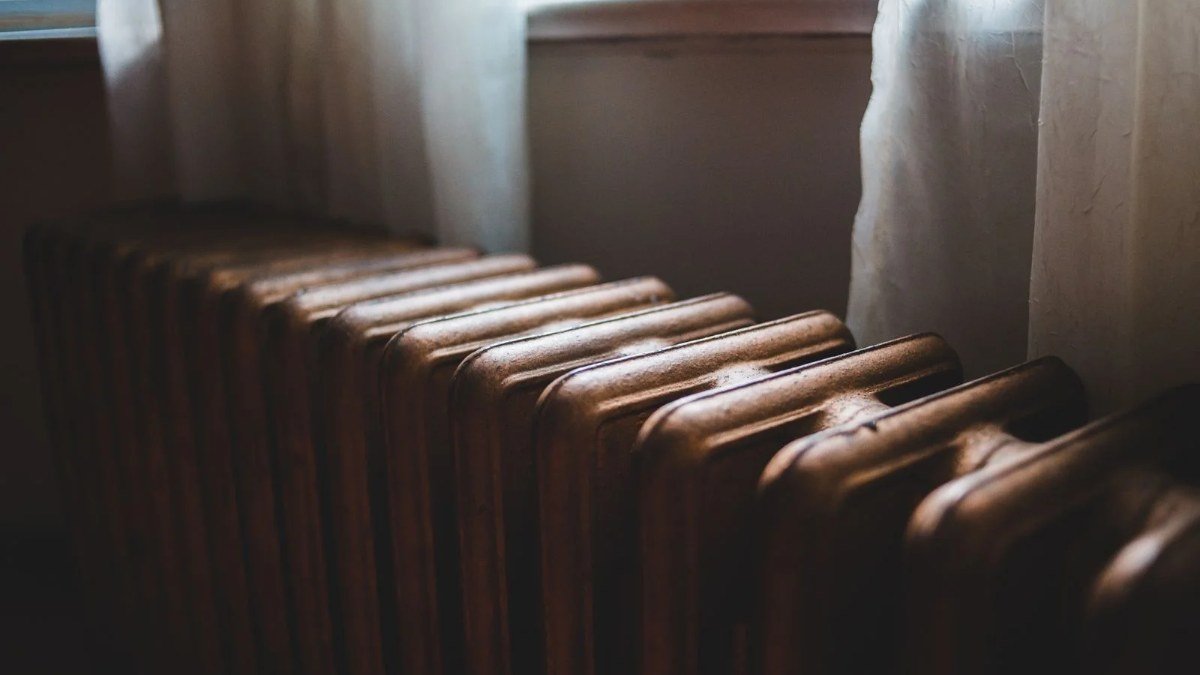
Watch where the warmth arrives. Warm air from vents means a furnace or a heat pump air handler moving air through ducts. Radiators or piped baseboards that get hot without blowing air mean a boiler — the Energy Information Administration defines a furnace as equipment that “provides warm air through ducts leading to various rooms,” and a steam or hot-water system as one that “supplies steam or hot water to radiators, convectors, or pipes.” Wall-mounted units with no ducts are ductless mini-splits. Most residential ones are heat pumps — per ENERGY STAR they work “in reverse for quiet, efficient air conditioning” in summer — though cooling-only versions exist. If yours is a mini-split and you are unsure, check the model number.
2. Telling a heat pump from a furnace with air conditioning.
An outdoor unit is not the tell — a home with a furnace and central air conditioning has one too. According to the Pacific Northwest National Laboratory, a heat pump is essentially an air conditioner “equipped with a reversing valve, which allows them to reverse the cycle to pull heat from the outdoor air and deliver it indoors in the wintertime.” Two checks work better. Check your thermostat display or settings menu for “EM HEAT,” “EMER” or “AUX” — on a smart thermostat these are often buried rather than printed on the face. Finding one points strongly to a heat pump. Then on a mild winter day with the heat running, step outside — if the outdoor unit is running while the house is heated, it is a heat pump. With a furnace it sits idle. Pick a mild day, because in a dual-fuel home the heat pump hands over to the furnace once it gets cold enough.
3. Electric and hot-water baseboards look alike and need opposite advice.
Both are long, low wall units; what differs is what feeds them. The Energy Information Administration describes built-in electric units as “an individual, resistance electric-heating unit … part of the electrical installation of the building.” Hot-water baseboards are the end of a boiler system instead. So the practical question is whether there is a boiler. If there is, and pipes run to the baseboards, they are hydronic. If each unit has its own dial and no boiler exists, they are electric.
4. If you cannot tell, check rather than guess.
Some homes are genuinely ambiguous — dual-fuel setups pair a heat pump with a gas furnace on shared ducts, and renters often cannot reach a locked utility room. Read the model number off the equipment data plate, check your fuel bills, or ask your landlord. The advice below diverges enough that guessing is worse than asking.
If You Have a Heat Pump
5. Choose one temperature and leave it there.
ENERGY STAR is direct about this: “Unlike a furnace or boiler, heat pumps do not save energy by turning it down when you are away or asleep. For best use, pick a comfortable temperature and leave it there.” The Department of Energy explains why: “Do not set back the heat pump’s thermostat if it causes the backup heating to come on. Backup heating systems, such as electric resistance or electric strip heaters, are usually more expensive to operate because they are less efficient.” A large overnight setback can therefore cost more on recovery than it saved. How much depends on your equipment and how cold it gets, so treat steady operation as the safer default.
6. What the “aux heat” light actually means.
It means the system’s secondary heat source is running — often electric resistance strips, or the furnace in a dual-fuel home. That is not automatically a fault — it is designed to engage in very cold weather, during defrost cycles, and while recovering. What is worth investigating is auxiliary heat running for long stretches in mild conditions. Watch the pattern over a few days before calling anyone, so you are not paying for a visit to be told nothing is wrong.
7. Buy a thermostat matched to your system.
If you replace the thermostat, what matters is heat-pump compatibility and gradual recovery, so the heat pump does the work rather than handing it to the backup. Check compatibility with your system before buying.
If You Have a Furnace or Boiler — Gas, Propane or Oil
8. The setback rule applies to you.
The Department of Energy puts it at up to 10% a year off heating bills from setting the thermostat back 7–10 degrees for about eight hours a day while asleep or out. That is an estimate, not a promise. Propane and oil systems are furnaces and boilers too, so the same approach applies. Boilers respond more slowly, because they heat water rather than air, so a gentler setback suits them better than a deep one.
9. Book service before the cold arrives, not during it.
Contractors get busier once temperatures drop, and emergency call-outs typically cost more than scheduled visits, though rates vary by area. There is a safety reason too: neglected combustion appliances carry a carbon monoxide risk.
If You Have Electric Baseboard Heat
10. Heat the rooms you use, not the ones you do not.
With electric baseboards, turning down an unused room works well. Each unit is separately controlled, with no shared ducts to unbalance. Keep unused rooms cool rather than cold, and never shut the heat off entirely in a room with plumbing in an exterior wall — how low is safe depends on your climate and where your pipes run. This applies to electric baseboards only — not to forced-air vents, and not to radiators or hot-water baseboards fed by a boiler.
11. Space heaters: the safety rules come first.
The Consumer Product Safety Commission estimates portable heaters cause an average of 1,600 fires, 70 deaths and 150 injuries a year (2020–2022). Its guidance is specific: “Turn off heaters when sleeping.” Also “keep portable heaters at least three feet away from drapes, furniture, bedding and other combustible materials,” and “plug electric space heaters directly into a wall outlet—never into an extension cord or power strip.” Any saving from a space heater assumes you are awake and in the room with it.
12. What a space heater actually costs to run.
A space heater is electric resistance heat, like an electric baseboard. It does not make electricity cheaper — any saving comes from heating a smaller space. A 1,500-watt heater uses 1.5 kilowatt-hours per hour at full power, though thermostat-controlled models cycle and use less. As an illustration only, at 17 cents per kilowatt-hour — check your own bill, and note rates vary widely — some states are more than double this — that is about 26 cents an hour, or roughly $1 over a four-hour evening.
The comparison that matters is against your central system. If you heat with natural gas, which in many areas delivers heat more cheaply than electricity does, running space heaters alongside the furnace can raise your total bill rather than lower it.
If You Rent
13. Much of what can lower your heating bill in a rental is removable.
Renters are left out of most winter guides. Draft stoppers, removable window film, heavy curtains and rugs all come with you when you leave. Moving furniture clear of a radiator or vent costs nothing, and nor does changing thermostat habits.
14. Find out who is responsible for what.
Heating requirements for rentals vary by jurisdiction, and many set a minimum winter temperature a landlord must maintain. If your home cannot hold a reasonable temperature, that may be a repair issue rather than a bill to absorb. Your local housing authority has the rule.
What Helps Whatever You Have
15. Seal the leaks you can feel with your hand.
On a cold, windy day, run your hand around the edges of exterior doors and windows. Where you feel moving air, you likely have a leak. Weatherstripping and a door sweep cost little and take minutes. Where leakage is real this can cut heat loss on any system; in a well-sealed home, expect less.
More Worth Knowing
The federal tax credit many articles still recommend is no longer available for new work. The IRS confirms the Energy Efficient Home Improvement Credit is not available for qualifying property placed in service after December 31, 2025. The often-quoted $3,200 was a maximum annual total across categories, not one allowance — insulation sat under a $1,200 cap, with a separate limit for heat pumps. If an article this winter tells you to claim it for new work, it has not been updated. Some pages still show the old expiry, so check the IRS rules directly.
What may still exist is local. State energy offices, utilities, the Low Income Home Energy Assistance Program and the Weatherization Assistance Program run separately from the federal credit — your utility’s website is the fastest place to look.
Fuel prices move year to year. The Energy Information Administration publishes short-term outlooks projecting heating costs by fuel. If your fuel price moves sharply from one winter to the next, planning for it deliberately is worthwhile — our guide to building a family budget covers handling bills that move.
Frequently Asked Questions
What temperature should I set in winter?
There is no single right number. The pattern matters more — steady for a heat pump, a deliberate setback for a furnace or boiler. Start comfortable and adjust a degree at a time.
Does closing vents in unused rooms save money?
It depends on your system, which is why guides disagree. With individually controlled electric baseboards, turning an unused room down works well. With a forced-air furnace, closing too many vents can raise duct pressure and increase leakage. Baseboards yes; ducted, cautiously.
Are space heaters cheaper than central heat?
Only when they replace central heating rather than run alongside it. The saving comes from heating less space, not cheaper energy. Read section 11 first, because the Consumer Product Safety Commission advises turning heaters off when sleeping.
The Bottom Line
Most winter advice is written for one kind of house. Work out how yours is heated, follow the matching section, and you can lower your heating bill without applying a tip never meant for your system. If you cannot tell, ask first. The same habit applies to negotiating lower bills and to the things you are overpaying for without realizing it.
What kind of heat does your home have — and did the advice you were following actually match it?
Want more tips like these delivered to your inbox? Sign up below — you’ll also get our free grocery budget worksheet, and we only send stuff that’s actually useful.